Many people think that buying an ETF in euros removes currency risk. It does not: what matters is the currency of the securities the ETF holds, not the one you buy it in.
How it works
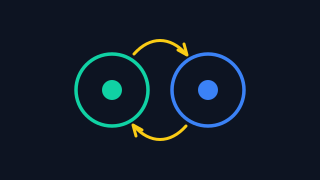
A global ETF is about two thirds US companies, valued in dollars. If the dollar strengthens against the euro, the euro value of your ETF rises; if it weakens, it falls. Even if the stocks themselves have not moved.
Between 2014 and 2015 the dollar gained more than 20% against the euro: for a European investor, US stocks returned much more than the dollar indices showed. In other periods the opposite happened.
Currency hedging
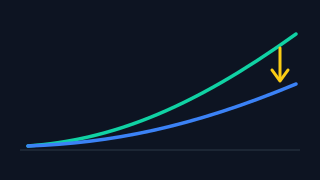
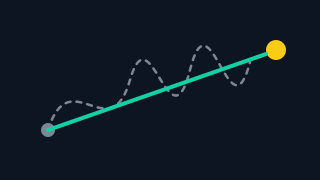
“Hedged” versions of ETFs use financial instruments to largely neutralise exchange-rate effects. Currency hedging does have a cost, which also depends on the gap between the two currencies’ interest rates, and it is never perfect.
When it is used
- For stocks, hedging is often skipped: over the long run currency effects tend to even out, and holding several currencies is seen as part of diversification.
- For bonds, hedging is more common: currency swings can be larger than the bonds’ own movements and wipe out their stability.
In the Horizon app, on the Portfolio Structure screen, you can see your portfolio’s exposure to different countries, which also gives an idea of its currency exposure.
- Currency risk depends on what the ETF holds.
- Hedging reduces exchange-rate effects, at a cost.
- It is more common for bonds than for stocks.