Many companies inside an ETF pay dividends. The ETF can handle them in two ways, and the name always tells you which: Acc (accumulating) or Dist (distributing).
The two versions
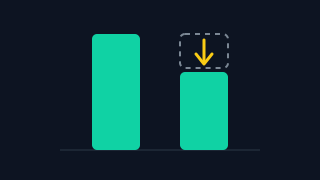
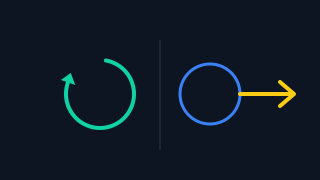
- Accumulating: dividends stay inside the fund and are reinvested automatically. You receive nothing, but the share value grows more.
- Distributing: dividends are paid into your account, usually every quarter, half-year or year.
The tax effect
In many countries, dividends received from a distributing ETF are taxed when you receive them, while with an accumulating ETF taxes are often paid only when you sell. Meanwhile, that money stays invested and works for you through compound interest. Rules vary by country, so check how yours treats them.
With €10,000 and a 2% dividend, a distributing ETF pays you €200 before tax. To keep it invested you would have to buy again yourself, paying a fee too. An accumulating ETF reinvests the full €200, at no cost.
When distributing makes sense
If you need a regular income, for example in retirement, a distributing ETF saves you from having to sell shares. While you are building wealth, accumulating is usually simpler and more efficient.
In both cases the fund’s overall return is the same: the only difference is whether dividends reach your account or stay invested.
- Acc reinvests dividends, Dist pays them out.
- With Acc, taxes on dividends are often deferred until you sell.
- Dist is useful when you need a regular income.